
Reduce Nurse Burnout & Turnover with Evidence-Based Peer Support Training.
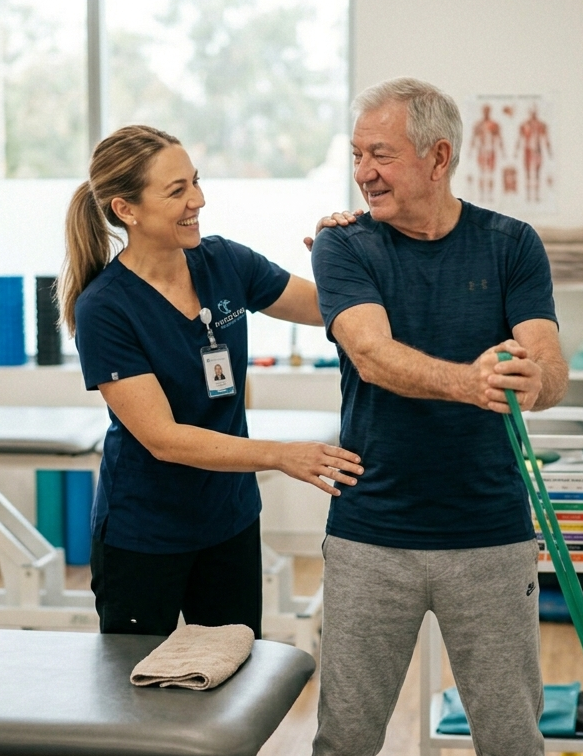
Healthcare professionals spend their entire lives dedicated to the well-being of others, often at the expense of their own. The compounding pressures of clinical burnout, staffing shortages, and moral injury have created a silent crisis within our medical institutions. Mental health challenges and suicide rates among healthcare workers remain significantly higher than the national average.
At Uplift, we believe that psychological safety is just as critical as clinical safety. Providing your medical, nursing, and administrative staff with evidence-based mental health training isn’t just an employee benefit, it is a critical intervention strategy to protect your workforce, reduce costly turnover, and ensure patient safety.

Recent data shows a near 0% rate of self-reported mental health conditions among physicians.
This number doesn’t mean doctors aren’t suffering. It means the culture of medicine forces them to hide it.
Healthcare professionals routinely suffer in silence because outdated, invasive questions on state licensing and hospital credentialing applications make them fear they will lose their medical licenses or livelihoods if they ask for help.
Burnout costs the healthcare system an estimated $9 billion every single year in nurse turnover alone.
LPNs/LVNs have reported experiencing depression.
8 out of 10 healthcare workers reported experiencing workplace violence.
Training a floor unit in MHFA costs less than 5% of the cost of losing a single nurse to burnout.
John Doe
Our Healthcare Training Solutions
Mental Health First Aid equips clinical and non-clinical staff with the skills to recognize, understand, and respond to signs of mental health challenges, substance use disorders, and vicarious trauma. This training provides healthcare teams with a structured framework to support colleagues experiencing chronic burnout or acute distress, fostering a hospital culture where seeking help is destigmatized.
De-escalate & Support: Learn to identify early warning signs of severe burnout, compassion fatigue, and substance misuse specific to high-stress clinical settings.
Cultivate Psychological Safety: Empower floor nurses, residents, and administrative leaders to initiate supportive, non-judgmental conversations with struggling peers.
Bridge to Professional Resources: Seamlessly connect staff members to internal Employee Assistance Programs (EAPs), physician wellness networks, and specialized healthcare psychological support.
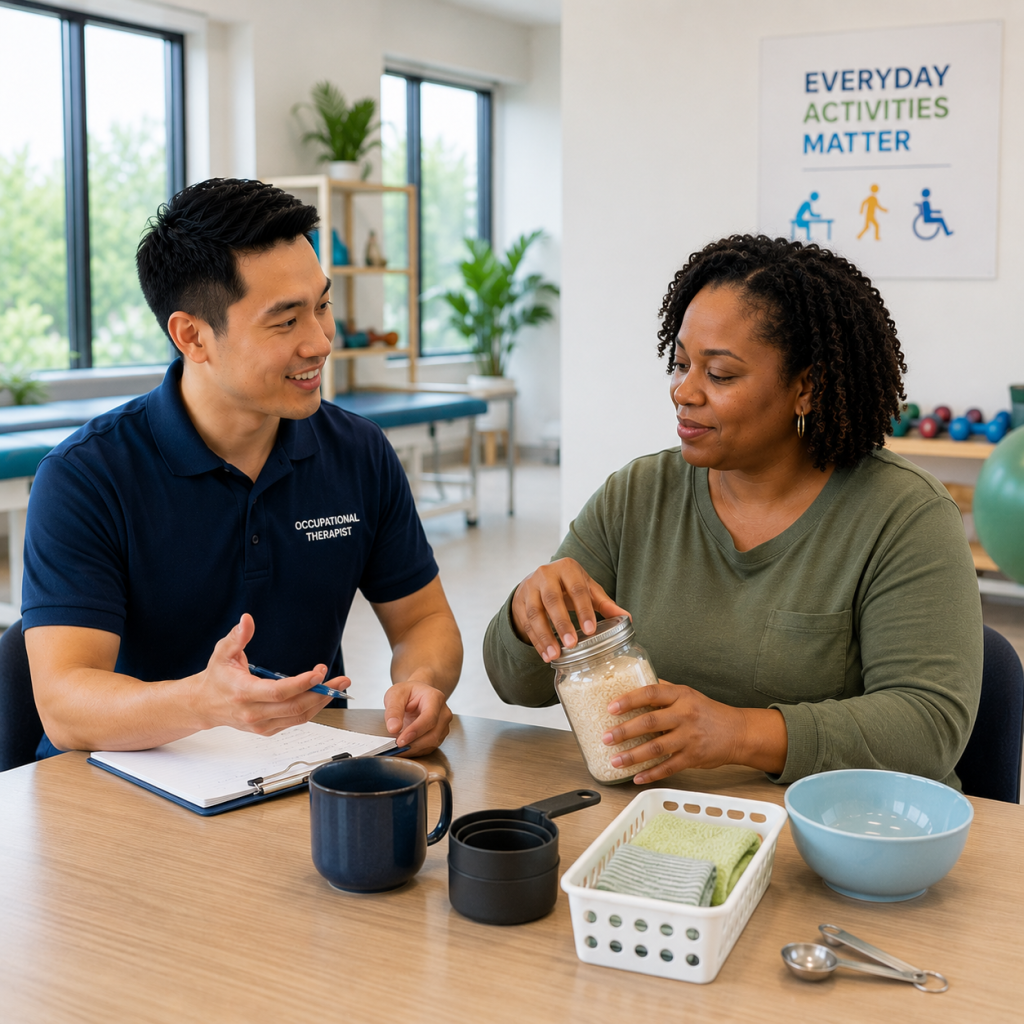
Youth Mental Health First Aid is specifically designed for healthcare professionals who interact with children and adolescents (ages 12-18). This training equips pediatric clinicians, emergency department staff, and community health workers with the unique skills needed to recognize and respond to a young person experiencing a mental health challenge, addiction issue, or acute crisis.
Early Identification in Youth: Learn to differentiate between typical adolescent development and emerging mental health challenges, such as anxiety, depression, eating disorders, or non-suicidal self-injury.
Trauma-Informed Interaction: Master the 5-step ALGEE action plan tailored specifically for communicating with distressed youth, de-escalating panic, and handling aggressive behaviors.
Family & Caregiver Navigation: Gain the specialized tools needed to safely open dialogue with parents and guardians, guiding families toward appropriate clinical and community support networks.
QPR (Question, Persuade, Refer) is an emergency psychiatric intervention designed to save lives by teaching individuals how to recognize the immediate warning signs of a suicide crisis. Just as BLS (Basic Life Support) or CPR equips healthcare workers to respond to sudden cardiac arrest, QPR gives your team the immediate, tactical tools to intercept a mental health crisis among colleagues on the shift.
Recognize Clinical Distress: Spot the subtle verbal, behavioral, and situational clues that indicate a colleague or medical peer may be in crisis.
Proactive Peer Intervention: Gain the confidence and precise language needed to safely ask direct questions about suicide and persuade a peer to accept immediate help.
Rapid Care Navigation: Master the exact protocols for connecting a distressed healthcare worker to professional crisis networks or internal occupational health systems.
When you partner with Uplift to train your healthcare workforce, we provide a turnkey administrative solution that respects the demanding schedules of your medical staff. We handle the logistical heavy lifting so your leadership can focus on workforce wellness.
Use the National Safety Council’s calculator to see exactly how mental health challenges are impacting your workforce.
Think of Mental Health First Aid (MHFA) as a comprehensive first aid course. It teaches your team how to identify, understand, and respond to a wide variety of mental health and substance use challenges over time. QPR (Question, Persuade, Refer) is an emergency intervention tool akin to CPR. It focuses intensely on a single, critical objective: recognizing an immediate suicide crisis and safely directing that individual to professional help.
While standard MHFA is a longer commitment, we can break it into blended learning modules, comprising independent online work combined with a shorter, live session.
For QPR, the session is only 60 to 90 minutes, making it ideal for grand rounds, leadership stand-ups, or shift-change educational blocks.
We recommend Youth MHFA for any staff members working directly within pediatrics, adolescent medicine, family clinics, school-based health centers, and emergency departments. Adult MHFA and QPR are best suited for general floor staff, adult medicine, and residency programs focused primarily on peer-to-peer wellness and adult patient care.
we recommend a maximum class size of 30 participants per session.
If you have a larger hospital system or multiple departments to train, we can easily coordinate consecutive sessions or multi-day rollouts.
Medical and nursing school curricula focus heavily on patient care, not peer care. Furthermore, healthcare workers are notoriously adept at hiding their own suffering from colleagues. MHFA and QPR teach clinicians how to turn their diagnostic skills inward toward their own peer group, breaking down the professional stigma that often prevents doctors and nurses from admitting they need help.
Yes, our Communication Kit provides
ready-to-use emails, images, and flyers to boost sign-ups. You will also receive a press release template.
While our company is based in Chicago, we can provide training anywhere. We typically travel onsite to company offices or can arrange meeting space.
Yes. The curriculum specifically trains healthcare and community workers on how to safely respond to highly acute youth crises, including active non-suicidal self-injury (cutting), substance overdose, severe panic attacks, and suicidal ideation, providing a clear step-by-step framework to keep the youth safe until further clinical care can be established.